


Dundee-born Winter Olympian warns climate change is putting the Winter Olympics at risk
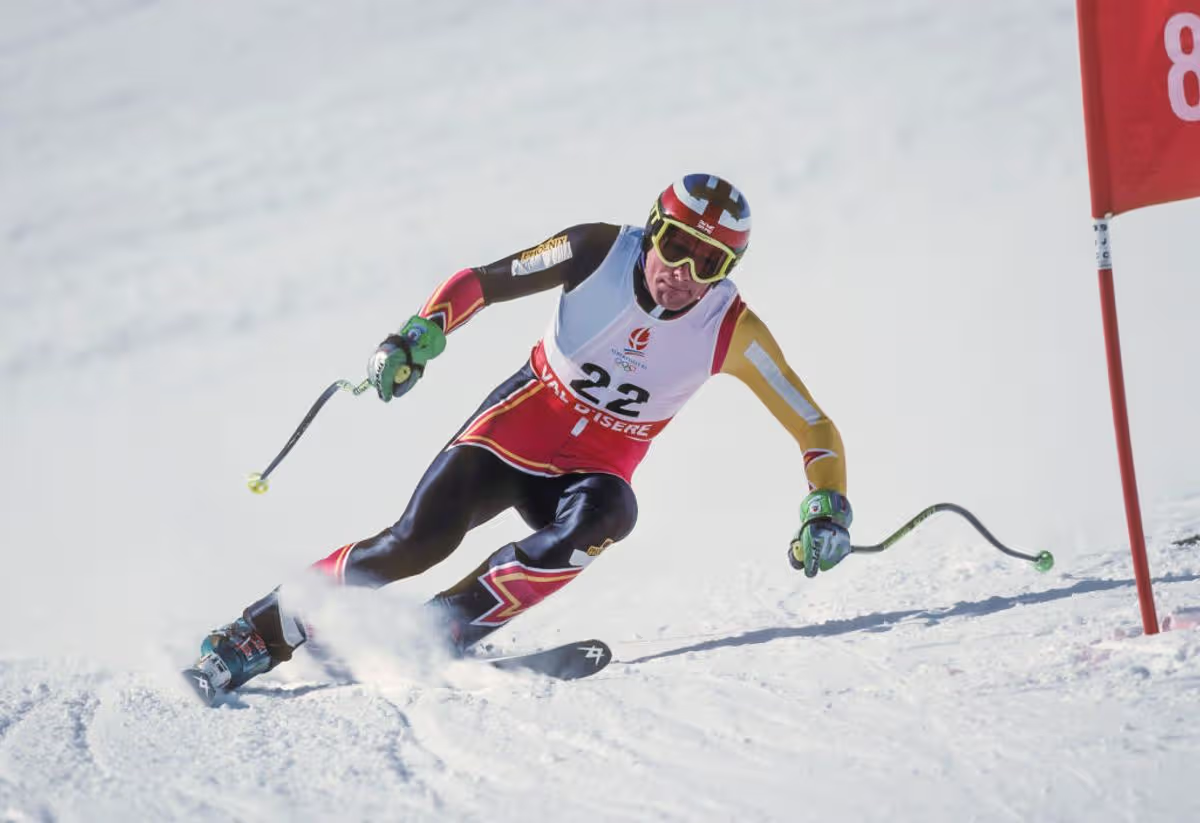
LONDON — February 13, 2026 — Ronald Duncan, a Dundee-born Winter Olympian who represented Team GB at the 1988 and 1992 Winter Olympics, has warned that the future of winter sport is under serious threat from climate change, despite a rare and welcome return of heavy snowfall to Glenshee this winter.
Mr Duncan said elite competition is now so dependent on artificial snowmaking that it would be impossible across much of Europe without it.
‘Glenshee looks great just now,’ said Mr Duncan. ‘But that doesn’t mean the problem has gone away. We still get good snow—what we’ve lost is consistency. And without consistency, winter sport doesn’t work.’
A former Strathallan School pupil, Mr Duncan learned to ski at Glenshee and went on to become the 1980 and 1983 British men’s downhill champion and men’s Super-G champion in 1991. He said recent snowfall should not be mistaken for recovery, warning that the Winter Olympics themselves are increasingly dependent on industrial-scale snowmaking to remain viable.
‘The Winter Olympics now only exist because we manufacture winter,’ he said. ‘That’s the reality.’
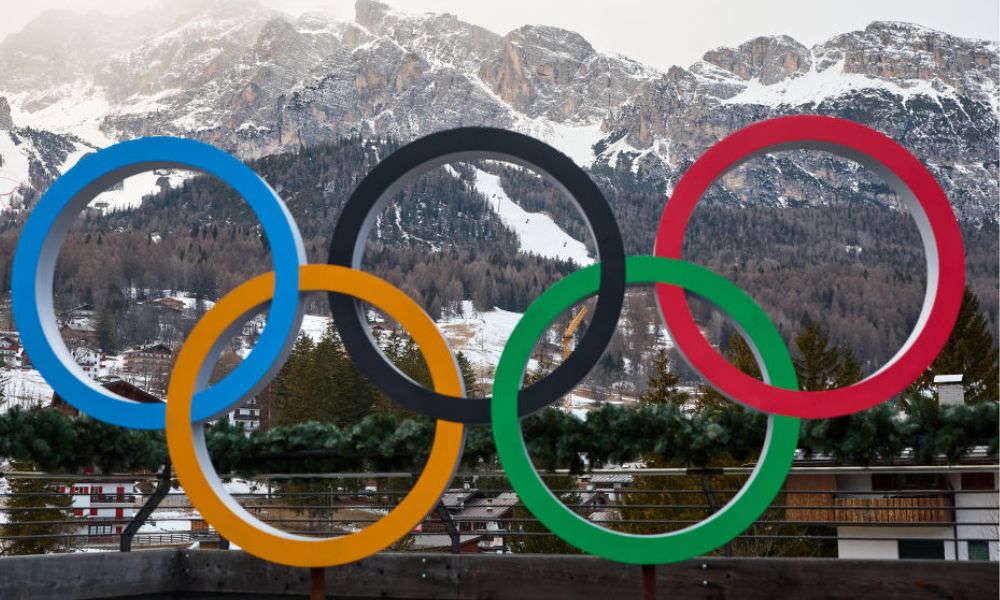
Mr Duncan pointed to the Milan–Cortina Winter Olympics relying on millions of cubic metres of artificial snow as freezing days continue to decline across the Italian Alps. A 2024 study found all 19 Winter Olympic host cities since the 1950s have warmed by an average of 2.7C, while Climate Central analysis showed Cortina’s average February snow depth has declined by around 15cm since the early 1970s.
Climate action work
Now based near Basingstoke in Hampshire, Mr Duncan has focused his post-racing career on climate action. He founded CO2Analysis, a technology firm using AI tools to help organisations track and reduce supply chain emissions—estimated to account for around 80% of global carbon output.
He has also teamed up with fellow Winter Olympian Jeff Olson to launch Olympian Climate Champions’ “6 for 6” campaign, calling on businesses to cut supply chain emissions by 6% in 2026.

Supply chains are estimated to generate 47.4 billion tonnes of carbon annually; a 6% global reduction would remove around 2.8 billion tonnes, which Mr Duncan said is the scale of reduction needed to help reverse declining snowfall.
Notes
- Mr Duncan said snowmaking is becoming more difficult and expensive as temperatures rise, and warned it only works when temperatures remain low enough—an assumption warming winters are beginning to undermine.
- He cited historical fragility in winter conditions, including the 1976 Winter Olympics in Innsbruck, when Austria’s army transported snow from mountain passes to prevent cancellation.
- Mr Duncan retired from competition in 1993 and said the impacts of warming became impossible to ignore in the years that followed, including visible glacier retreat in the Austrian Alps.
- Closer to home, Glenshee has faced ongoing challenges and has diversified operations to survive; Mr Duncan’s late father, Jack Duncan, was among the early pioneers of the Glenshee ski centre.
- He highlighted rising costs: in the 1990s, installing a single ski lift cost around £1 million; today, resorts face infrastructure costs in the tens of millions—much of it devoted to snowmaking to keep slopes operational.
Media Contact
Name: Jamie Duncan
Email: [email protected]
Make the Smart Move. Talk to Us.
Contact us for a free analysis of your overall carbon footprint and a fixed fee for the detailed analysis right down to the products and services you buy.
Book a DemoOur Locations
UK Office
The Thatched Barn, Church Lane,
Tadley, Hampshire, RG26 5LA, United Kingdom
 +44 (0)118 324 9580
 [email protected]
US Office
1207 Delaware Ave #847 Wilmington, DE 19806
+1 302 319 3304
[email protected]
Connect with us


Copyright © CO2 Analysis 2026